


 Türkçe

Prof. Dr.
Prof. Dr. Yılören Tanıdır is a urology specialist who graduated from Hacettepe University Faculty of Medicine in 2001 and completed his urology residency at Marmara University Faculty of Medicine. Tanıdır, who works at Medicana Ataşehir Hospital, specializes in endourology, laparoscopy, robotic surgery, and pediatric urology (hypospadias, neurogenic bladder).
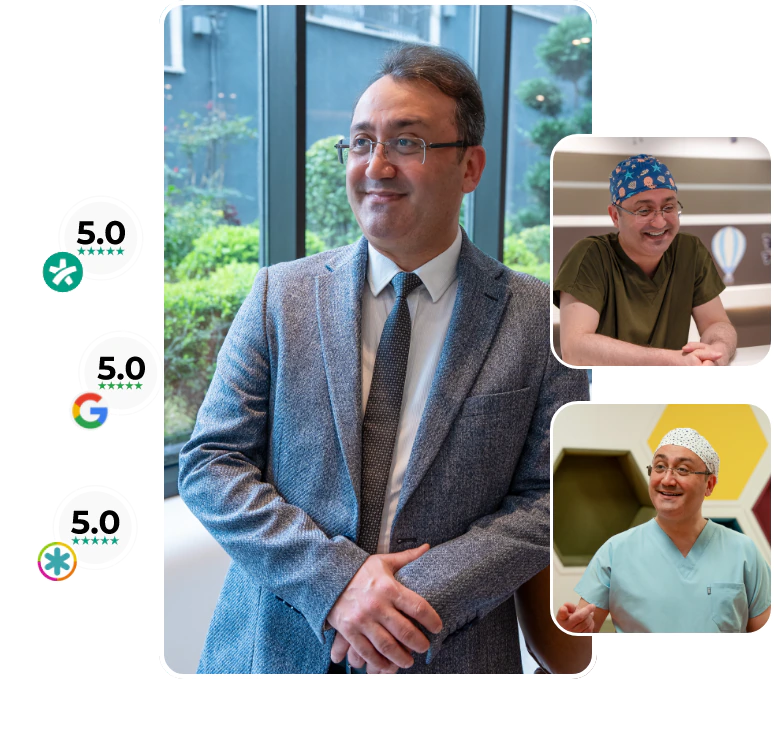
Patient Reviews
To review the patient comments about Urology Specialist Prof. Dr. Yılören Tanıdır,
you can take a look at the platforms below



You can contact us for detailed information and appointments regarding diseases and treatments in the field of urology.
Prof. Dr. Yılören Tanıdır provides diagnostic and treatment services in the field of urology. In line with current medical approaches, he applies minimally invasive, laparoscopic, and robotic surgical methods. He provides services based on patient safety, ethical principles, and scientific data throughout diagnosis and treatment processes.
Areas of Expertise
- Urology
- Endourology
- Laparoscopic Surgery
- Robotic Surgery
- Kidney and Urinary Tract Stone Diseases
- Benign Prostatic Enlargement
- Urological Cancers
- Pediatric Urology
- Reconstructive Surgery
- Female Urology

Education and Professional Experience
After graduating from Hacettepe University, he completed his specialty training at Marmara University. He has more than 15 years of academic and clinical experience. He currently works at Medicana Ataşehir Hospital. He continues his studies in the field of minimally invasive urology.
Surgical Experience and Advanced Technologies
In his surgical practice, where minimally invasive approaches are at the forefront, patient-specific planning and the use of advanced technology constitute the fundamental principle. Scientifically proven solutions are offered for benign prostatic enlargement, particularly HoLEP and similar anatomical prostate enucleation techniques. In kidney and urinary tract stone diseases, current methods such as percutaneous nephrolithotomy (PNL), retrograde intrarenal surgery (RIRS), and ureteroscopy are preferred in suitable patients.
Robotic and laparoscopic surgeries can provide less invasive approaches and a faster recovery process in suitable patients, particularly for urological cancers and reconstructive procedures. In addition, advanced techniques are used for urethral strictures and complex reconstructive surgeries; the most appropriate method for each patient is determined with comfort and safety as priorities.
In all surgical processes, services are provided based on patient safety, ethical principles, and scientific data.
Diplomas and Certificates
Prof. Dr. Yılören Tanıdır has certificates with national and international validity. He uses current methods in the fields of minimally invasive, endoscopic, and robotic surgery. He bases diagnosis and treatment processes on scientific data and current medical approaches.


Treatments
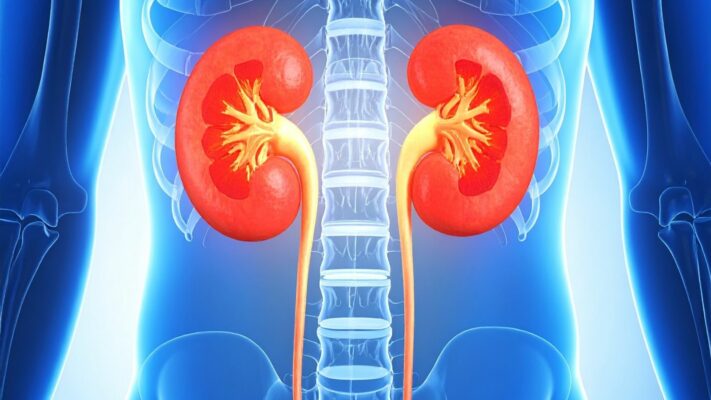
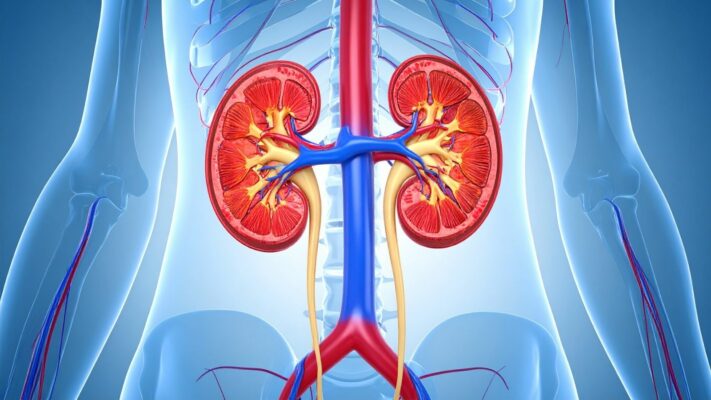
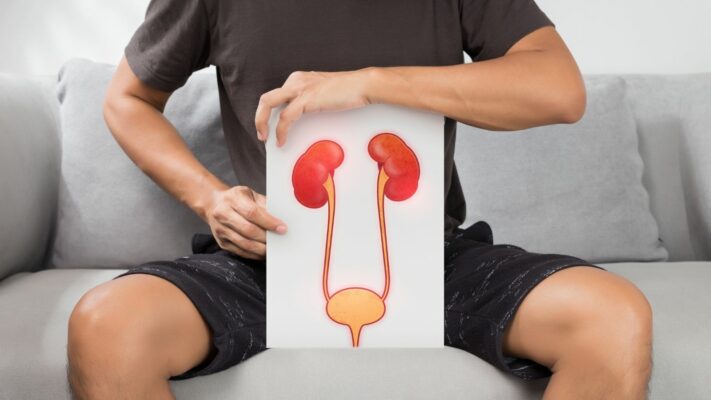
With minimally invasive methods as the priority, kidney and urinary tract stone diseases, prostate diseases, urological cancers, and reconstructive surgeries are performed using current technology, based on scientific data and current medical approaches.






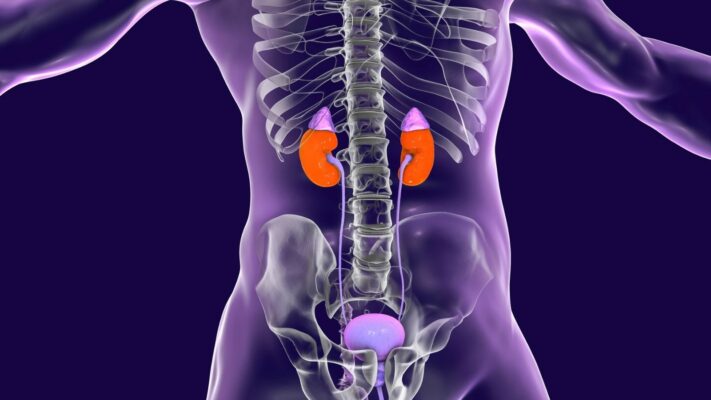
You can contact us for detailed information and appointments regarding diseases and treatments in the field of urology.
Frequently Asked Questions
1. What is endourology and in the treatment of which diseases is it used?
Endourology is a subspecialty of urology that covers the diagnosis and treatment of urinary tract and kidney diseases using minimally invasive (endoscopic) methods. These methods may be used in conditions such as kidney and urinary tract stones, prostate enlargement, and certain urinary tract strictures.
2. What are prostate diseases and with which symptoms may they occur?
Prostate diseases include benign prostatic enlargement, prostatitis, and prostate cancer. Symptoms such as frequent urination, waking up at night to urinate, and difficulty urinating may occur. The diagnosis and treatment process is planned according to the physician’s evaluation.
3. Which diseases does uro-oncology address?
Uro-oncology is a field that covers tumors of urological organs such as the kidneys, bladder, prostate, and testicles. The diagnosis, follow-up, and treatment processes of these diseases are carried out with a multidisciplinary approach.
4. How do kidney and urinary tract stones form and how are they treated?
Kidney and urinary tract stones form through the accumulation of minerals and salts. They may cause symptoms such as lower back pain, burning during urination, and blood in the urine. Treatment is planned according to the size and location of the stone and the patient’s condition.
5. What is robotic and laparoscopic urology?
Robotic and laparoscopic urology are minimally invasive surgical methods performed through small incisions. These techniques may be preferred for diagnosis and treatment processes in suitable patients.
6. What are urinary tract diseases and voiding disorders?
Urinary tract diseases include infections, bladder problems, and voiding disorders. Symptoms such as frequent urination, a sudden urge to urinate, or urinary incontinence may occur. Appropriate treatment methods are determined after evaluation.
You can contact us for detailed information and appointments regarding diseases and treatments in the field of urology.